

Scaling a G-SIB's FRAUD PREVention team Against Millions on the Dark Web
With Polyagentic Financial Crime Prevention.

Step 1:
Asymmetry Audit
We worked with the G-SIB's Fraud Prevention team to evaluate high-impact fraud use cases, including credit card fraud, account takeover (ATO), synthetic identity, and check fraud, ranking them by financial impact, speed, and human scalability.
ATO emerged as the ideal first production case. With attacks often completed in under five minutes and massive online banking volumes, it was impossible for human investigators alone to keep pace.
The opportunity: demonstrate how AI delivers 100× leverage by scaling defenders at machine speed.
Step 2:
Architecture Fit
We designed the solution around the bank's existing data platform, leveraging Confluent for real-time event streaming and Databricks for large-scale analytics.
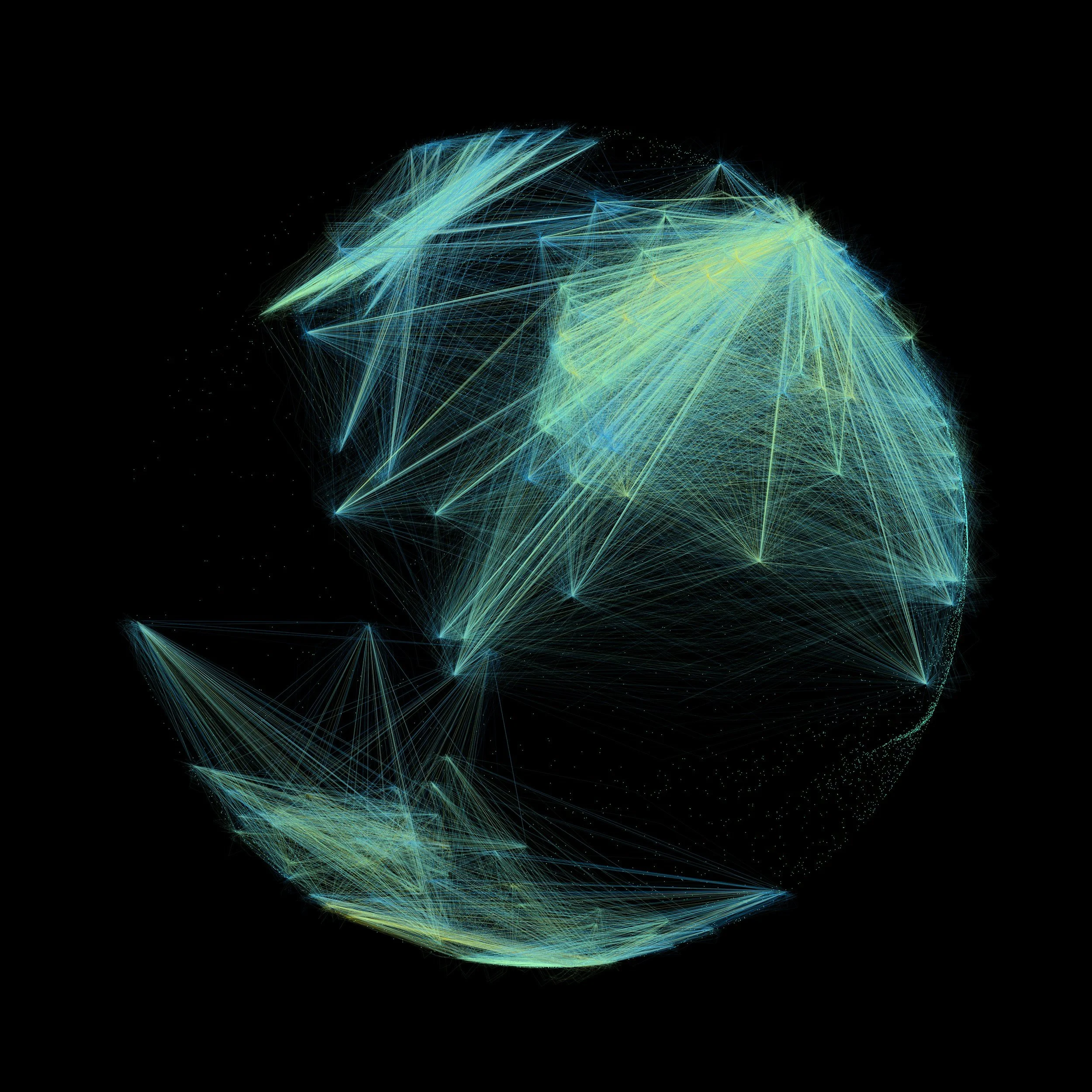
To meet the speed required for ATO detection, we implemented a two-stage architecture: Stage 1 uses machine learning on Confluent to analyze online banking biometric and behavioral signals in real time, while Stage 2 flows the data into Databricks to perform network analysis, uncover related compromised accounts, and expand the investigation beyond the initial alert.
The outcome: a hybrid architecture that combines millisecond detection with deep investigative intelligence.

Step 3:
Instrumented Pilot
We designed the MLOps pipeline to continuously monitor model drift, with fraud investigators remaining in the loop to validate flagged online activities. Their decisions create a continuous feedback loop, producing gold-standard training data for ongoing model improvement.
New models are evaluated through A/B testing against the production model, with promotion only after demonstrating measurable improvements in accuracy and performance.
The outcome: measurable business value from day one, with every investigation making the AI smarter than the last.
Step 4:
Expertise Extraction
We transformed every validated investigation into a permanent enterprise asset. Each investigator's decision, rationale, correction, and override was captured alongside the supporting evidence, creating a gold-standard dataset enriched with expert reasoning, not just labels.
Over time, investigators evolved from case reviewers into teachers, continuously transferring their expertise to the AI. Instead of knowledge residing with individuals, the bank built an institutional intelligence asset that became more accurate and valuable with every validated investigation.
The outcome: expert judgment becomes compounding enterprise intelligence that the organization owns.


Step 5:
AI Compression & Funneling
Guided by fraud outcomes and cost analysis, we evolved the architecture to GoodLabs' Reflex-to-Reasoning AI.
The production pipeline combined machine learning on Confluent for instant Stage 1 detection with a distilled reasoning language model as Stage 2 to evaluate complex cases before investigator review. This added deeper contextual reasoning only where needed, significantly reducing false positives and false negatives while maintaining real-time performance.
The outcome: higher detection accuracy, lower investigation costs, and intelligence applied only where it creates the most value.
Step 6:
Govern & Scale
With proven results in production, we strengthened our A/B testing pipeline, model drift monitoring, and expertise extraction to continuously improve performance and governance.
The same Polyagentic AI architecture was then expanded beyond ATO to credit card fraud, using real-time mainframe transaction streams, and check fraud, combining real-time pipelines with distilled vision and language models for intelligent document analysis.
The outcome: a governed AI platform that continuously learns, scales across fraud domains, and compounds enterprise intelligence.

SPEAK TO OUR POLYAGENTIC AI ARCHITECTS
Discover how GoodLabs Polyagentic AI Engineering helps you identify the biggest asymmetries, scale human expertise, earn autonomy, and turn each successful implementation into a blueprint for enterprise-wide impact.